SCREENING: THE FILM CAMERA
This screening includes films in which innovation is reflected through the camerawork and through the film material by mixing different frame rates, bi-packing, multiple passes, exploring the limits of lenses and light, incorporating found footage and working with wrong film stocks.
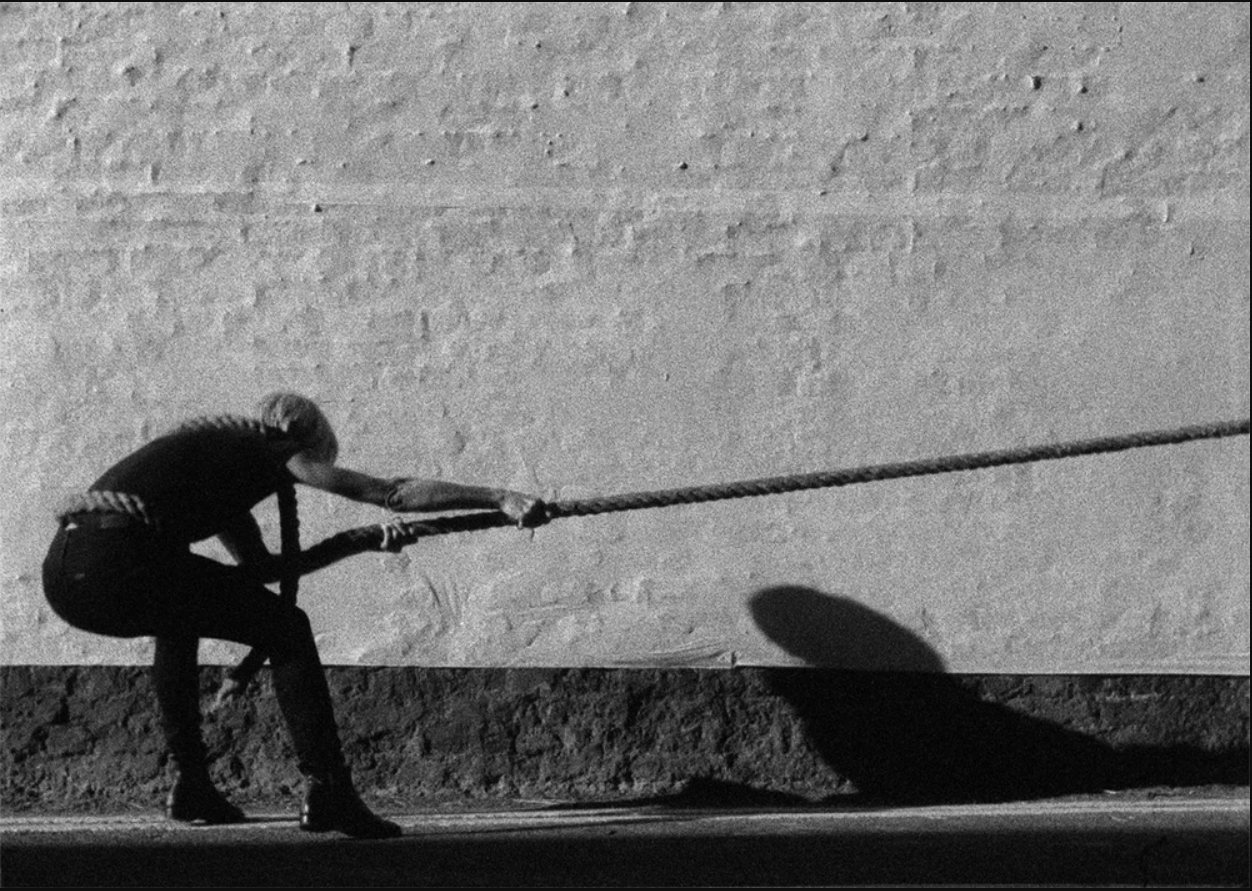
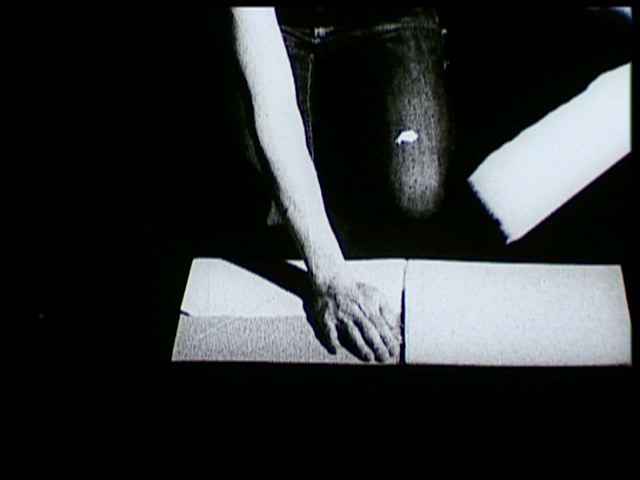
Traction, 3’ Jenny Baines, 2023, UK
Much of Baines work negotiates her physical capacities in relation to Bolex capabilities, but it’s unclear who is setting the terms: is the task timed to correspond to a full camera wind or does the camera cut short the action? Baines raises questions about the uncertain need for additional camera crew, her films exemplifying ways in which the Bolex facilities artistic autonomy.
The Watershed 7’ Alia Syed, UK
The fragment or repeated cycle has been favoured by experimental film structuralists as a means to disrupt narrative linearity. Here the repeated sequence takes on new significance, transformed by Syed into a musical phrasing that reflects on the persistence of memory and injury.
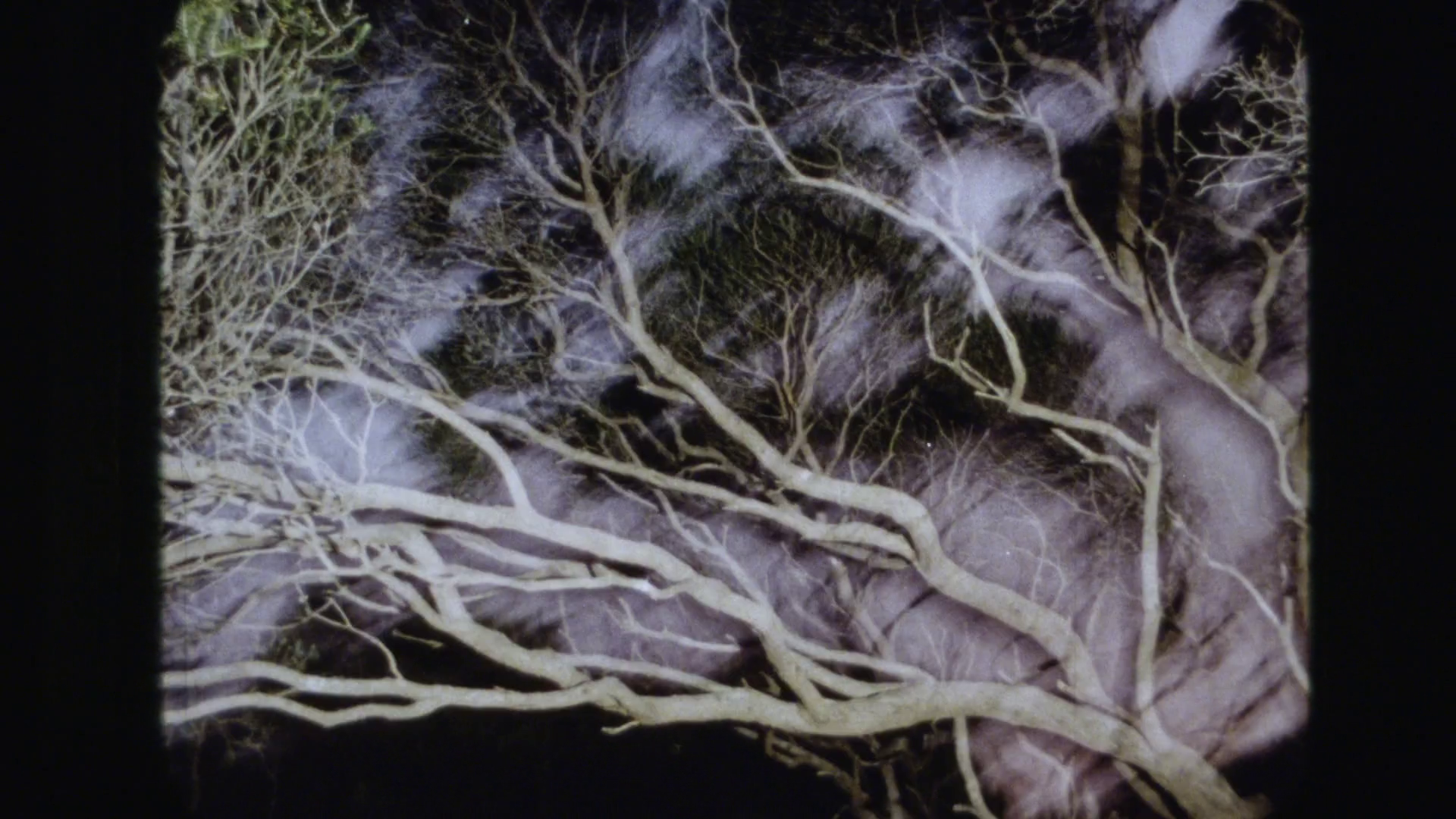
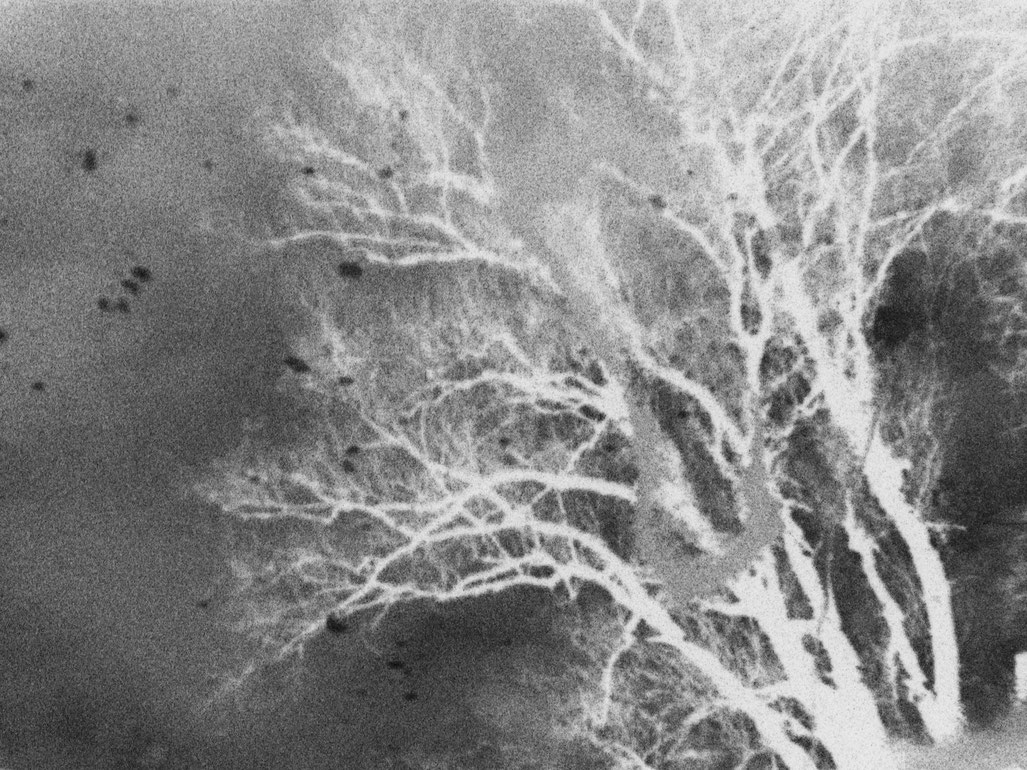
Where Night Falls a Thud, 8’ Sophie Watzlawick, 2025, Germany
Use of reverse filming causes natural phenomena to run backwards, while scenes left in negative suggest an uneasy portentous atmosphere. The order of things is unsettled as birdsong is voiced by humans and effect replaces cause.
A Half Moon Needs a Dark Night, 5’ Karan Suri Talwar, 2025, India
From Harkat Film lab, Mumbai.
The Land at Night, 14′ 07 2024 Danna Barrie & Richard Tuohy, Australia
Rapid single frame clusters of the landscape in darkness illuminated by flashlights offer a vignetted restricted view. The camera is lyrical, searching in the night it enters a dwelling. Here the mood changes, the fast pace and half-light allowing us to only guess at what seems to be the aftermath of domestic neglect.
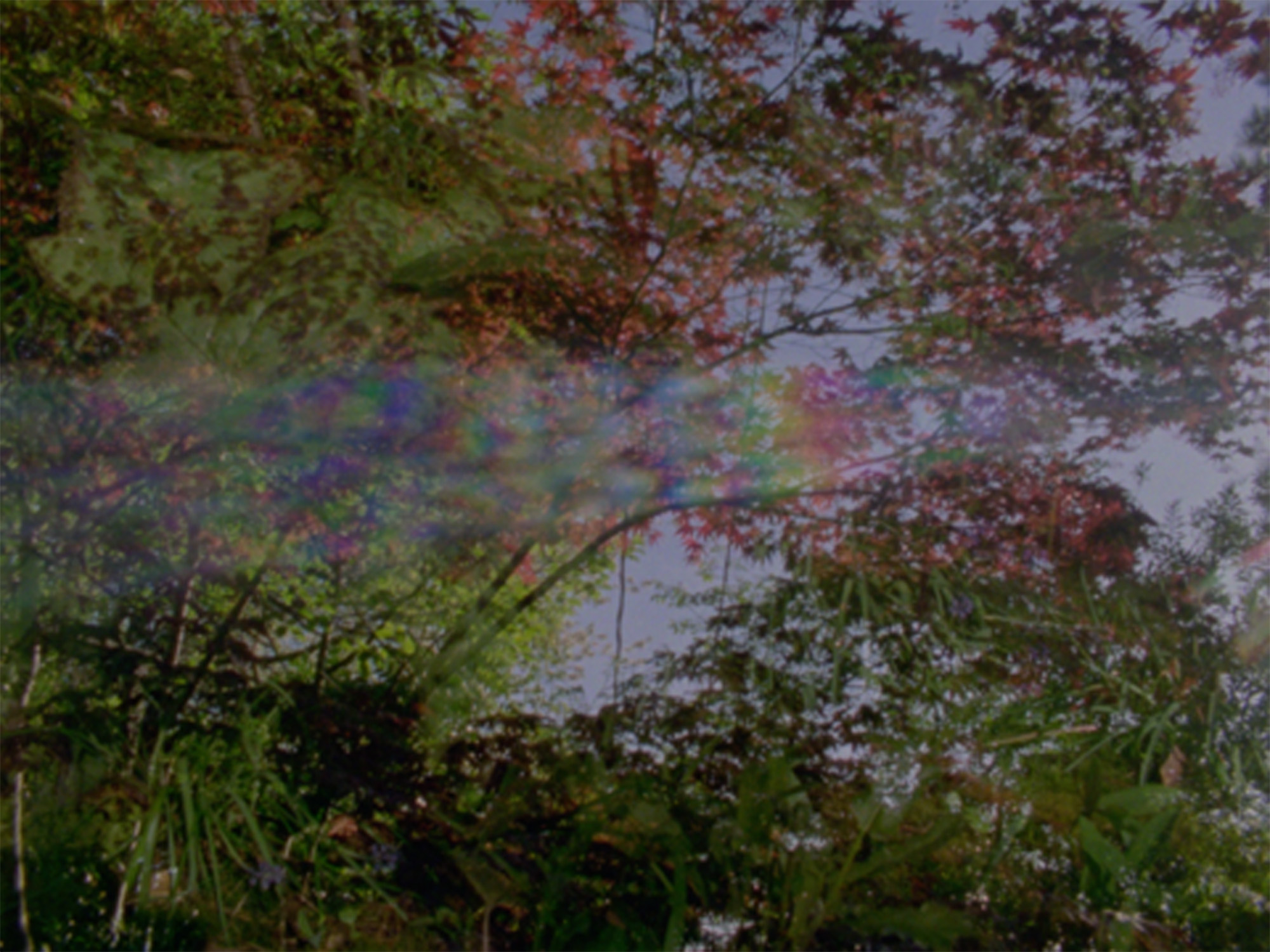
Garden Glimpses, 6’ Caryn Cline 2022, US
Cline pays homage to the most lyrical of film-makers, Marie Menkin, in whose ‘hands the Bolex found its true purpose…for an expanded vocabulary cinematic technique’ (Schlemowitz, 2019: 105). With music by Lori Goldston, this piece exemplifies a further tendency of avant- garde: the collaboration with sound artists.
Les films du dés-apparaître – #3 – Dans sa toile est un lac, 7′ Oscar Weiss
Weiss’ lyrical camera spins webs of light, exploring specificities of the filmic medium with the artist occupying the centre.
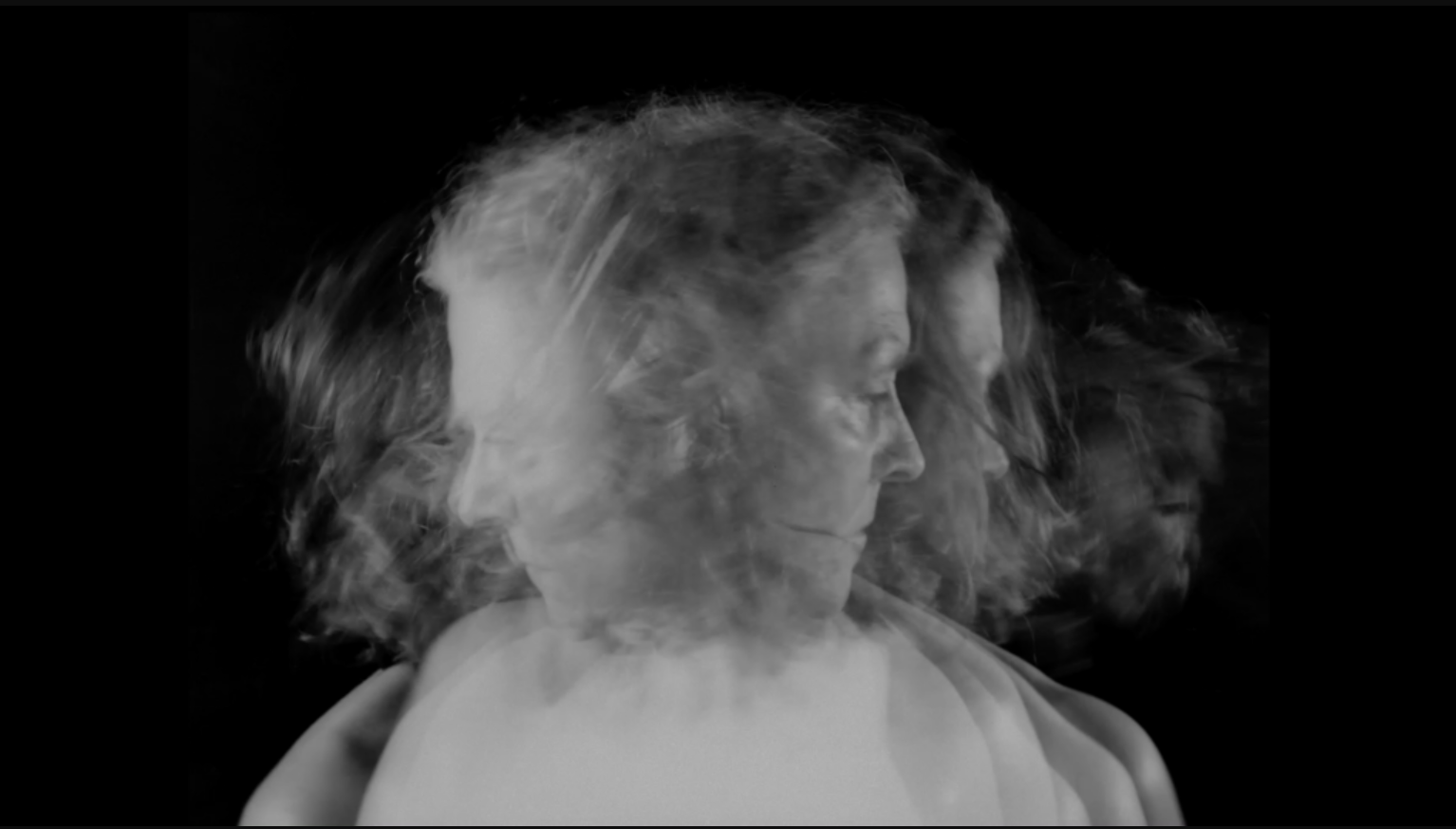
Shedding, 4’ Vicky Smith, UK
‘ A performance for the Bolex camera that captures the ethereal interplay between celluloid and the physical body… multiple exposures and varying frame rates to cycle through intimate iterations of the self, summoning an effect both corporeal and ghostly’ (Melbourne International Film Festival, 2025).
Abject Noise, 4′ Bea Haut, 2014
An investigation of the optical film strip where light triggers sound. Haut passes objects out of the visible frame and through the unseen optical sound strip. Her actions impact upon the sounds that are heard, and the shape of things can be heard as noise. BH.
I Dream of Glass Bangles, 4’ Michaela Talwar, India
From Harkat Film lab, Mumbai
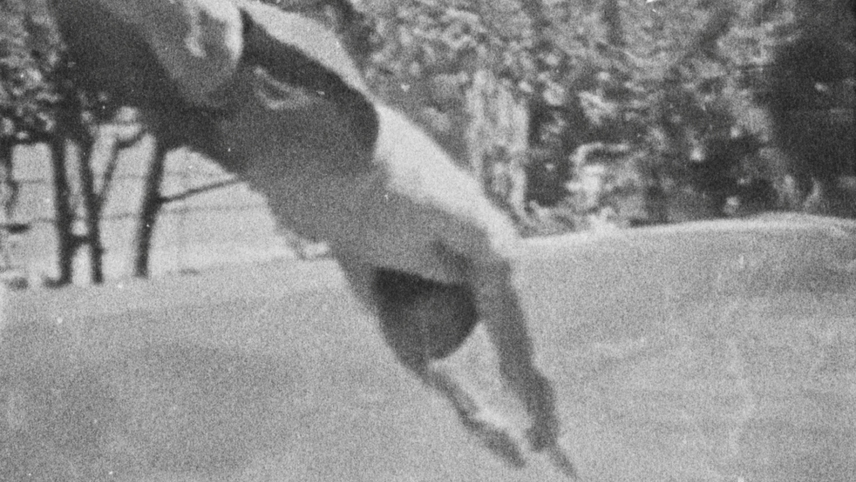
The Ripple Effect, 9’, Niyaz Saghari, 2023, UK
‘A tiny screen shows a young man running in slow motion to the edge of a swimming pool about to launch himself into the air… Saghari has taken this from a viral video released online a few days after the young man’s execution… Like the best art, simple but incredibly moving in its beauty and starkness’. Review David Andrews, London blog.
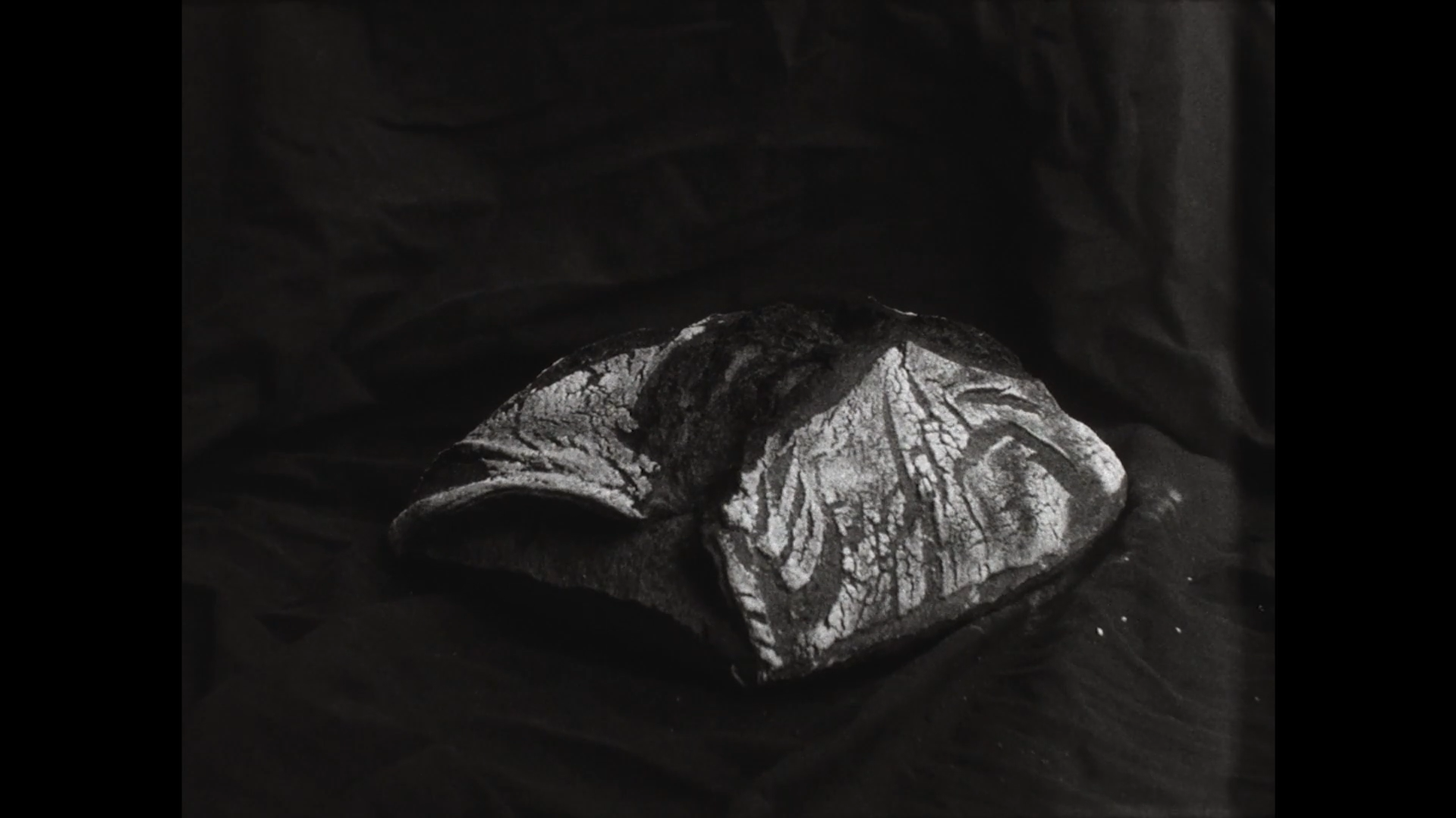
Badluck Film: the Bread, 4’, Gérémy Lelièvre, Belgium
A long time ago, on execution days, the baker used to set aside a loaf of bread for the executioner by placing it upside down on his stall. GL. Extreme film processing techniques charge the humble loaf with an alchemical agency.
Elliptic, 30’ Els Van Riel, Belgium
The brightness of a beam of light is deflected as it hits an edge and transforms the image as it enters a lens. A delicately slow focus shift carries this movement along the cone of the visual field into a certain depth, and back again. The soundtrack xx Marie-Cécile Reber, a dialogue between image and sound began with the question of how daylight itself, as a wave or as energy of particles, might become audible.
PANEL DISCUSSION
Posing the question of how DIY analogue film labs and artist initiated film screenings stimulate and support innovation and new aesthetics in cinema, the panel will discuss approaches to collective film-making and screening, the sustainability of DIY film labs in the UK in the absence of any industrial processing facility and the role of universities in sustaining 16 mm film production.
Els Van Riel (Brussels Film Lab)
Kim Knowles (Labordy Ffilm Aber)
Andrew Vallance (Contact, Film Talks)
Alia Syed (film-maker, former London Film Makers cooperative)
collective-iz (expanded cinema events)